

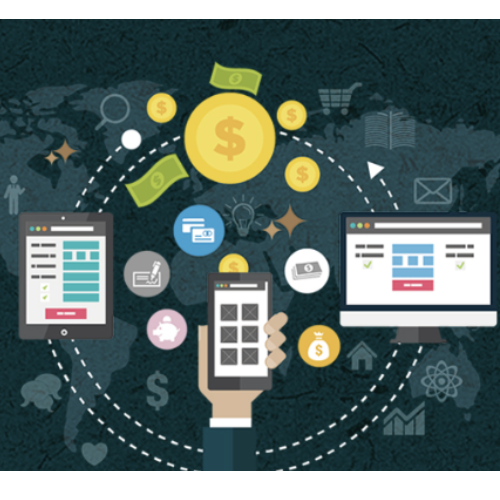
As payment methods evolve rapidly, the convenience of residents' travel continues to improve. How many people nowadays dare to leave home without their smartphones? It's not just a matter of inconvenience in communication. It's also because mobile payments can save time and money during travel.
Many payment companies advocate "technology aiding travel," but what travel habits have technology actually changed? Have you joined the "trendy rhythm" of travel payments?
"Touchless Payment" — No Cash or Phone Needed for Parking Fees
"Mobile payments," "contactless payments," "QR code payments"... these terms are no longer trendy. Recently, "trendsetters" in travel have encountered a fresh term — "touchless payment," starting with parking fee payment.
Recently, many travelers departing from the three terminals of Beijing Capital International Airport found that they could leave the parking lot without cash or their phones. By simply binding their license plate number in Alipay and enabling password-free payment, they can automatically exit the parking lot without lifting a finger. It feels a bit like mobile Electronic Toll Collection (ETC), but with a trendy name — touchless payment.
It is understood that as the largest airport in China, Beijing Capital International Airport is expected to handle over 90 million passengers in 2017, making it one of the busiest airports in the world. The three terminals of the Capital Airport have a total of four parking lots with nearly 10,000 parking spaces. Faced with huge traffic flow, "touchless payment" reduces the vehicle passing time from the original 10 seconds to within 2 seconds.
To achieve "touchless payment," from automatic license plate recognition when entering the parking lot to automatic deduction when leaving, and the generation of electronic invoices relies on technological support. Smart image recognition, payment security, and other requirements are naturally high.
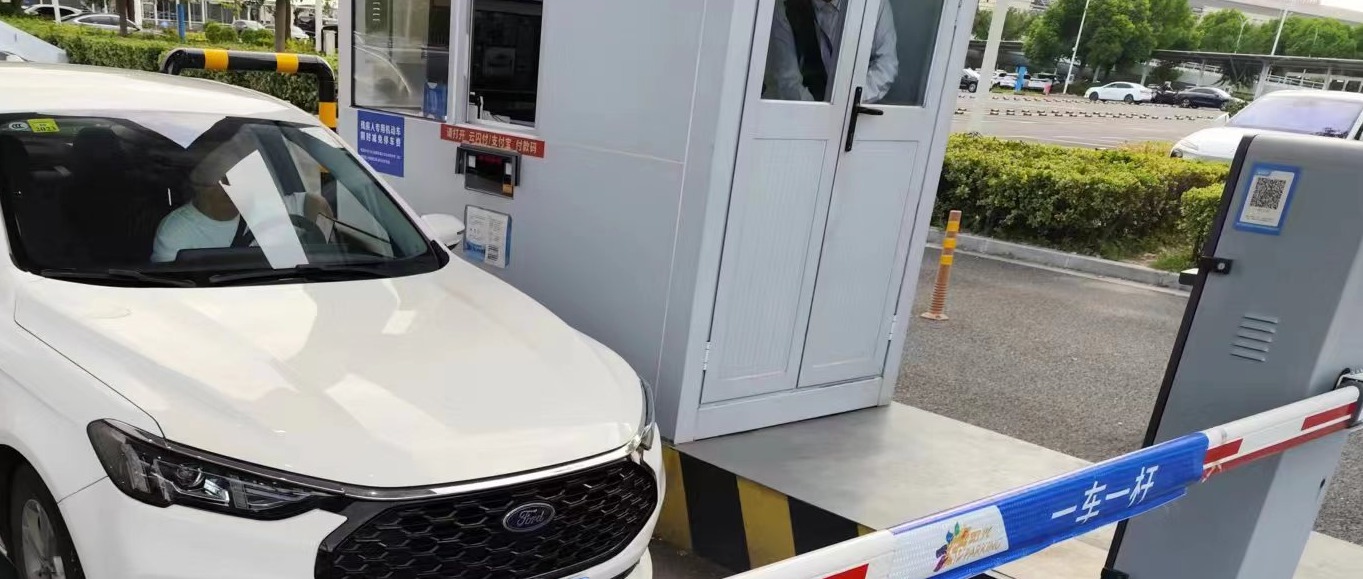
Currently, in addition to Beijing Capital International Airport, parking lots at many airports such as Shanghai Hongqiao Airport, Qingdao Liuting Airport, Hangzhou Xiaoshan Airport, and Jieyang Chaoshan Airport have also implemented "touchless payment" for parking.
Deposit-Free Sharing — Nationwide Deposit-Free Shared Bicycles
In the past two years, the popularity of shared bicycles has facilitated the travel of many people and popularized the concept of low-carbon travel. However, recently, shared bicycle companies such as Bluegogo and Kuqi have gone bankrupt one after another, leaving many users unable to get their deposits back, causing much frustration.
Shared economy still has great potential, but the key lies in credit building. To prevent users from worrying about the "loss" of deposits when riding shared bicycles, "deposit-free sharing" has emerged. Nowadays, more and more shared bicycle companies are joining the credit-based rental industry without requiring deposits. According to data from Alipay alone, over 10 shared bicycle companies, including Ofo, Yonganxing, and Hello Bike, with more than 10 million bicycles have joined the platform.
According to data released by Sesame Credit, with credit-based rental without a deposit, the rental time has been reduced by 60%–80%, industry rental arrears have decreased by 52%, violation fines arrears have decreased by 27%, and the rate of lost bicycles has decreased by 46%.
For shared bicycle companies, joining the credit-based deposit-free mechanism reduces user barriers to usage. For users, it incentivizes standardized riding, eliminates deposit worries, and reduces the need to download multiple shared bicycle apps.
Scanning Codes to Take the Bus — No Change Needed
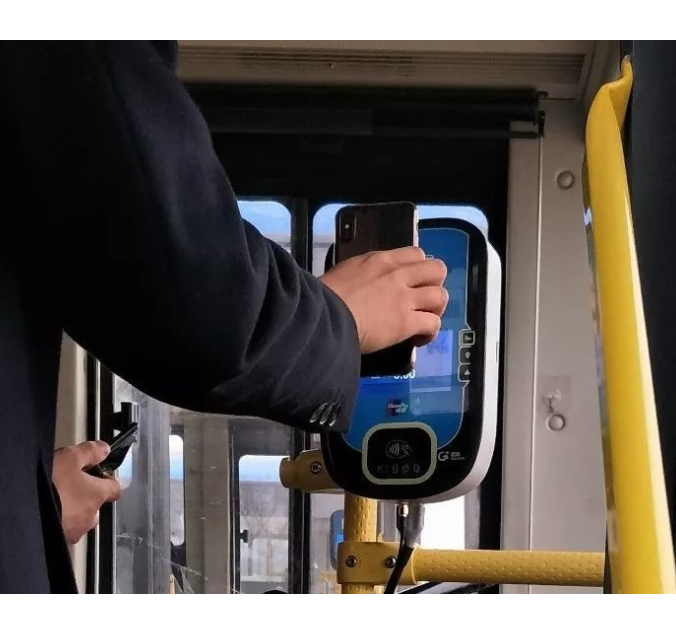
Have you ever encountered this embarrassment: just as you're relieved to catch a bus, you realize you don't have any change in your pocket? Faced with an unmanned ticket booth with a coin slot, you hesitate to use a 100 yuan bill and can't escape the scrutiny of fare evasion, wishing you could turn around and get off immediately. Alas, if only you had exchanged some change at a nearby store before boarding.
However, this embarrassment has been resolved in cities such as Hangzhou, Wuhan, and Fuzhou. In August 2016, Alipay, in cooperation with Hangzhou Guolang Technology, first introduced QR code payments for buses in Hangzhou. Since then, you can ride the bus with just your phone, without worrying about the lack of change. Subsequently, cities like Wuhan and Tianjin have gradually started to promote QR code payments for buses.
At the same time, Tencent also quickly launched Tencent Ride Code, which has been launched in multiple cities such as Guangzhou, Shenzhen, Qingdao, Zhumadian, Foshan, Hefei, Jinan, Zibo, Laiwu, Hohhot, Changde, and Shanwei. This not only brings convenience to local residents taking buses but also provides new application scenarios for WeChat payment and mini-programs.
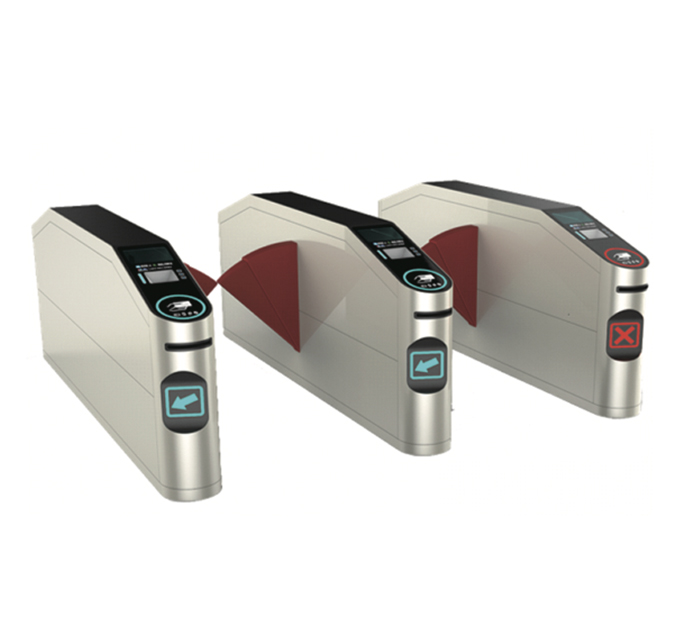
Scanning Codes to Enter Subway Gates — Unlocking New Skills for Subway Travel
Forgetting to bring your IC card when going out and then encountering long queues at the ticket machine is a problem many people face when traveling by subway.
However, payment institutions often discover business opportunities in such scenarios.
Golong Technology's independently developed full-payment gates support various payment methods such as scanning codes, card swiping (UnionPay cards), and NFC payments, greatly improving the efficiency of subways and the convenience of citizen travel.
At the same time, the Shanghai Maglev Line has also opened up scanning code entry and exit, and it is expected to be fully operational on all Shanghai subway lines in early 2018. The Beijing Airport Express Line has already achieved scanning QR codes for entry and exit, and it will gradually be implemented on all subway lines in Beijing.Unknowingly, the subway scene has become a battleground for payment industry giants.
Scanning Codes to Take the Taxis — Mobile Payment
Did you know that you can now pay for taxis by scanning codes in Hong Kong? National Technology's independently developed public transit POS has multiple functions such as card swiping and segmented billing. Mainland tourists can use the Alipay app, while Hong Kong residents can use the "AlipayHK" app to scan codes to pay for taxis in the urban area and the New Territories. Initially, only dozens of taxis accepted scanning code payments, but now there are thousands.
In fact, scanning code payments for taxis are not only promoted in Hong Kong but also being introduced in Taiwan and Macau. National Technology, Alipay, and other institutions are actively going global, promoting mobile payment services. In the future, when traveling to countries like Finland, Italy, the United States, Japan, and Singapore, don't be surprised to see the "Alipay" logo in taxis.
Payment institutions continuously improve their technological capabilities, brainstorm, and cooperate across industries. You can now use your mobile phone to purchase airplane and cruise tickets, book a ride-hailing service when traveling abroad, pay for sightseeing buses with QR code payments, and maybe even see QR code logos on dog sleds in snowy landscapes.
With the support of technology, having a phone in hand allows you to travel at will. How much have you experienced?
● Company Profile: Golong
Established in 2015, Golong focuses on public transportation payment aggregation systems, excelling in the development and application of Internet intelligent big data products and services. Recognized for its leadership in the Internet of Things, face recognition, travel payment, digital currency, and software-hardware integration, Golong is a prime driver of innovation in these sectors. With its roots in Hangzhou, the company has expanded its reach globally, contributing to numerous successful projects and continuing to enhance the efficiency and functionality of payment systems worldwide.